| Erdi (оригінал) | Erdi (переклад) |
|---|---|
| This is a Peul song that means playing to win pastureland; | Це пісня Peul, яка означає гра, щоб виграти пасовища; |
| not for sheep or | не для овець або |
| goats, but only for cattle | кіз, але тільки для великої рогатої худоби |
| It is a contest held each year. | Це конкурс, який проводиться щороку. |
| When the people leave for the pastureland, | Коли люди йдуть на пасовища, |
| returning from the winter | повертаючись із зими |
| Grounds, they have the finest and fattest animals among their flocks, | Тому вони мають найкращих і найтовстіших тварин серед своїх отар, |
| and that’s when competition and | і це коли конкуренція і |
| Jealousy arises between the Peul ethnic groups. | Між етнічними групами пеулів виникає ревнощі. |
| It is like in life, | Це як у житті, |
| one can have only one life without | без нього можна мати лише одне життя |
| Children, or without a first child. | Діти або без першої дитини. |
| One can have a hundred children in the bed, | У ліжку можна мати сотню дітей, |
| but there is not a first | але немає першого |
| Child amongst them. | Дитина серед них. |
| The first child is the one who does well and who knows what | Перша дитина — це та, яка добре робить і знає що |
| he is doing, who | він робить, хто |
| Occupies himself only with what is his right | Займається лише тим, що має право |
| First son who has never been matched | Перший син, якому ніколи не порівнювали |
| Thank you for what never ends, yes! | Дякую за те, що ніколи не закінчується, так! |
Переклад тексту пісні Erdi - Ali Farka Touré
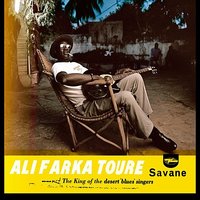
Інформація про пісню На цій сторінці ви можете ознайомитися з текстом пісні Erdi , виконавця -Ali Farka Touré
У жанрі:Африканская музыка
Дата випуску:16.07.2006
Мова пісні:Англійська
Виберіть якою мовою перекладати:
Напишіть, що ви думаєте про текст пісні!
Інші пісні виконавця:
| Назва | Рік |
|---|---|
| 2010 | |
| 1992 |